Making ATLAS data usable
Real collision data, accessible software, and the work of opening a scientific experiment to learners.
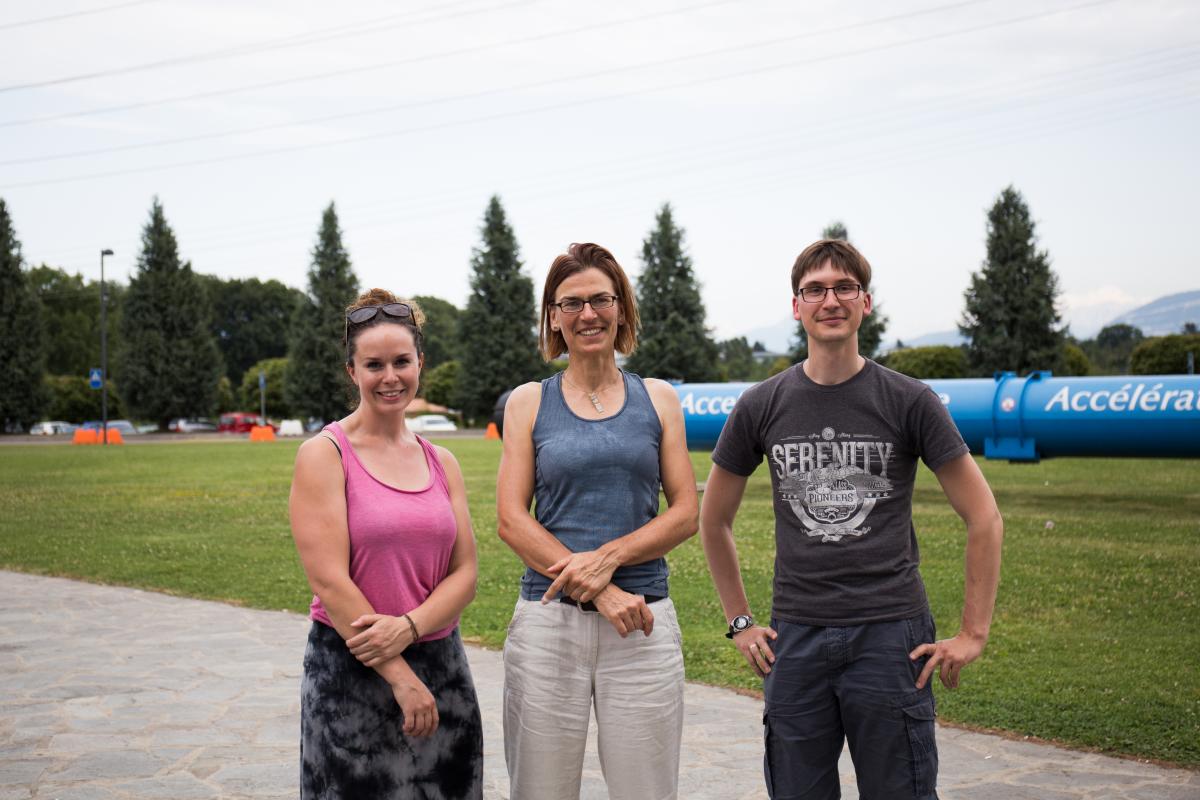
A way into the experiment
In 2016, I developed the educational platform that accompanied ATLAS’s public release of 8 TeV collision data. The aim was practical: help students get from a dataset to an analysis. Browser tools, worked examples and documentation gave people a starting point; downloadable resources supported more involved work.
This was a team effort with colleagues including Kate Shaw, Susan Cheatham and Felix Socher. My contribution brought together software development, the physics behind the examples and the experience of people using the platform.
Exhibit 1DiagramRead left to right
From a collision to a classroom
The collaboration records and reconstructs collisions. The Open Data project selects a fraction, simplifies it and documents it. The platform, the notebooks and the virtual machines are what make the last step possible: a person with an ordinary computer asking a physics question. The teal boxes mark where my work sits in that chain.
More physics within reach
For the 2020 release, I co-led the Open Data team with Kate Shaw. ATLAS made 10 inverse femtobarns of 13 TeV collision data available for education, accompanied by simulations, tutorials and analysis tools. Learners could investigate familiar particles, reconstruct Higgs signals and explore examples of searches beyond the Standard Model.
The release belonged to the collaboration. Our educational work gave those resources a route into classrooms and independent study.
Exhibit 2TimelineFilled points are my milestones; hollow points are the context they sit in
Fourteen years around one idea
- 2012The Higgs boson is discoveredI was a member of the ATLAS Collaboration when the result was announced.Source
- 2013Doctorate in NapoliHiggs-like resonances in the H → ZZ → ℓℓqq channel.Source
- 2016First release: 8 TeV data and the platform1 fb⁻¹ of 2012 data, released under CC0, with the educational platform I developed.Source
- 2018Open data in Venezuelan classroomsIskya García defends a master’s thesis using ATLAS Open Data, across three countries.Source
- 2020Second release: 10 fb⁻¹ at 13 TeVCo-leading the Open Data team with Kate Shaw.Source
- 2021One computer to manyPaper with Giovanni Guerrieri on multi-user deployments of the educational resources.Source
- 2026Teaching at the CERN School of ComputingSantiago, Chile. The same tools, a new generation of students.Source
Exhibit 3NumbersEach figure links to the record that states it
What was released
Access includes the tools
An internet connection and a powerful computer cannot be assumed in every classroom. Portable environments and resources that work offline were part of the design. The same physics exercise needed to make sense on a student’s laptop and in a university computer room.
That connection between scientific content and its practical use runs through my work. Sharing a file is a beginning. Helping another person understand it, run it and ask a new question is where an educational resource becomes useful.
Exhibit 4FiguresArchive photographs with their credits
The interface of the 2016 release
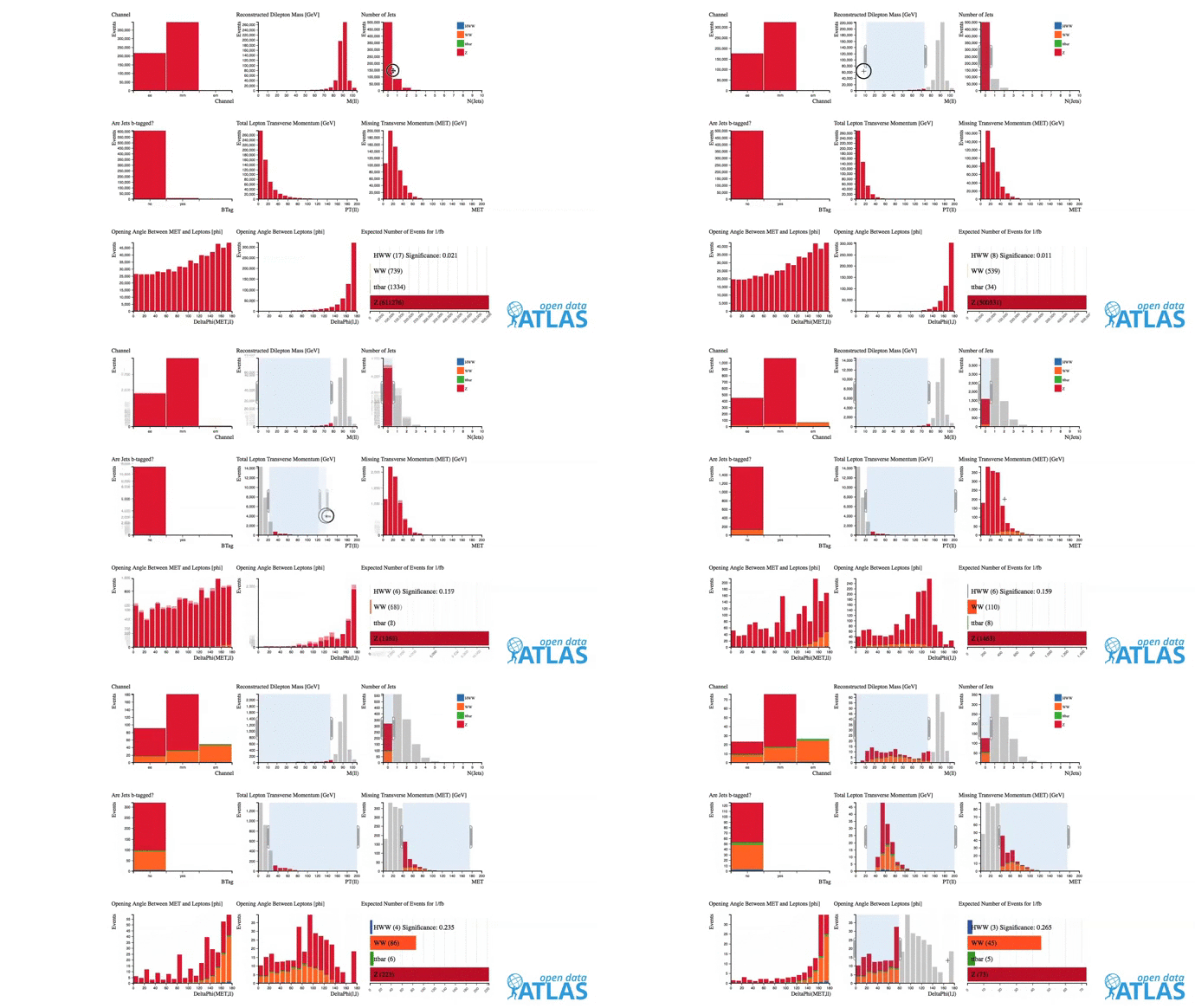
Exhibit 5PeopleCredit where the work was shared
Who did this with me
- Kate ShawCo-leader of the ATLAS Open Data team for the 2020 release; part of the 2016 team.
- Susan CheathamATLAS Data and Tools team, 2016 release.
- Felix SocherLed the development of the 2016 release, TU Dresden.
- Giovanni GuerrieriCo-author of the 2021 paper on multi-user deployments.
- Iskya GarcíaCompleted a master’s thesis with ATLAS Open Data under my supervision, 2018.
Exhibit 6ResourcesOpen the thing itself, not a description of it
Where to go from here
- ArticleATLAS: educational platform launch, 2016atlas.cern
- DatasetCERN: 13 TeV educational data release, 2020opendata.cern.ch
- PaperScientific computing and accessible education: AISIS proceedingspos.sissa.it
- InterviewCreative Commons interview on open data, 2016creativecommons.org
- SiteATLAS Open Data portal: datasets, documentation and toolsopendata.atlas.cern
- DatasetCERN Open Data: ATLAS samples for the 2016 release, 1 fb⁻¹ at 8 TeV, CC0opendata.cern.ch
- Repositorynotebooks-collection-opendata: analysis notebooks at 8 and 13 TeVgithub.comContributor
- Repositoryget-started-atlas-opendata: a first-steps guide, forked into the ATLAS outreach organisationgithub.comAuthor
- TrainingCERN training catalogue: the notebooks as a training resourcetraining.cern.ch
- PaperMulti-user deployment of ATLAS Open Data, EPJ Web of Conferences, 2021doi.orgCo-author
- ArticleMy ATLAS article on physics education with open data, 2018atlas.cernAuthor
Exhibit 7Looking backTwo dates on every story: when it happened and when I wrote about it
Then and now
2016, when it happened
The release came with a USB stick option for places without a reliable connection, and a platform where you could analyse the data without downloading a single file. Both were answers to the same question: who is this for, and what do they actually have on their desk?
2026, writing this
The project now has research releases alongside the educational ones, and a four-times-larger educational release is being prepared. I teach with these tools at the CERN School of Computing. The question has not changed.
Sources & further reading
- ATLAS: educational platform launch, 2016
- CERN: 13 TeV educational data release, 2020
- Scientific computing and accessible education: AISIS proceedings
- Creative Commons interview on open data, 2016
- ATLAS Open Data portal: datasets, documentation and tools
- CERN Open Data: ATLAS samples for the 2016 release, 1 fb⁻¹ at 8 TeV, CC0
- notebooks-collection-opendata: analysis notebooks at 8 and 13 TeV
- get-started-atlas-opendata: a first-steps guide, forked into the ATLAS outreach organisation
- CERN training catalogue: the notebooks as a training resource
- Multi-user deployment of ATLAS Open Data, EPJ Web of Conferences, 2021
- My ATLAS article on physics education with open data, 2018